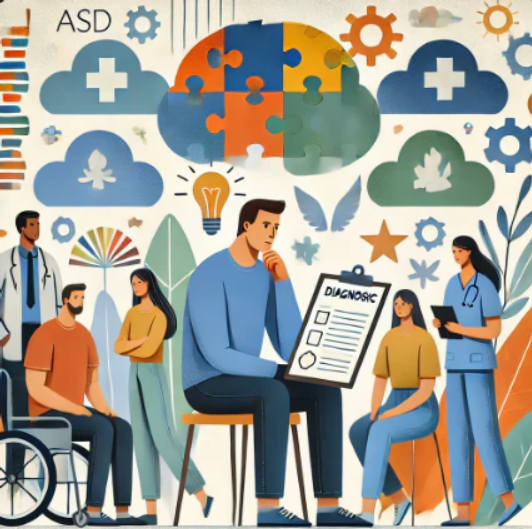
Autism Spectrum Disorder (ASD) is increasingly recognized and understood in society, and with that recognition comes greater access to diagnostic tools. For many, seeking a formal ASD diagnosis is a transformative and empowering step toward self-understanding. However, for others, the decision to pursue a diagnosis is fraught with personal, social and practical considerations that may give them pause.
Let’s explore the nuanced decision of whether to pursue an ASD diagnosis—breaking down the potential benefits, the challenges and the reasons why some individuals might hesitate to take this step.
The Pros of Getting an ASD Diagnosis
- Self-Understanding and Validation: One of the most significant benefits of a formal ASD diagnosis is the clarity it can bring. For many individuals, particularly adults who may have masked their traits for years, a diagnosis can provide a framework for understanding their unique ways of thinking, feeling, and interacting with the world. It validates their experiences and helps make sense of struggles they may have previously attributed to personal shortcomings.
- Example: “I finally realized why I always struggled in social situations. It wasn’t me being lazy or difficult—my brain just works differently.”
- Access to Support and Resources: A diagnosis opens doors to tailored support services, including therapies, counseling, educational accommodations, or workplace adjustments. These tools can significantly improve quality of life by addressing specific needs.
- For children, this may mean access to specialized education plans (IEPs) or occupational therapy.
- For adults, it can lead to workplace accommodations, mental health support, or even community groups that foster connection.
- Community and Belonging: Finding a sense of community can be transformative. A diagnosis often allows individuals to connect with the wider autistic community, where shared experiences foster understanding, acceptance, and a sense of belonging. Many people find comfort in realizing they are not alone.
- Improved Relationships: With a clearer understanding of themselves, individuals with an ASD diagnosis may find it easier to communicate their needs to friends, family, and partners. A diagnosis can also help loved ones understand how to best support and relate to the person in meaningful ways.
- Example: “Once I shared my diagnosis with my family, they became more understanding about my need for quiet time and my difficulty with last-minute changes.”>
- Legal and Practical Protections: In many countries, a formal diagnosis can provide access to legal protections under disability laws. This might include protections in the workplace, access to benefits, or accommodations in school settings.
The Cons of Getting an ASD Diagnosis
While a diagnosis has many benefits, it is not without its drawbacks. Some individuals may weigh these challenges and decide that pursuing a diagnosis is not the right choice for them.
- Cost and Accessibility: Getting an ASD diagnosis can be expensive, particularly for adults. Private assessments often come with high costs, and in some regions, public healthcare systems have long waitlists or limited access to specialists.
- Example: “I couldn’t afford a private assessment, and the wait time for a public one was significant.”
- Stigma and Misunderstanding: Despite growing awareness, stigma surrounding ASD still exists. Some people fear being labeled or treated differently in social, educational or professional settings. A diagnosis may lead to misconceptions, judgment or exclusion from others.
- Example: “I worried that telling my employer about my diagnosis would make them think I couldn’t do my job.”
- Impact on Identity: For some, receiving an ASD diagnosis can be an emotional experience that challenges their self-perception. They may struggle to integrate this new label into their existing sense of identity or feel overwhelmed by what it means for their past and future.
- Example: “I started questioning everything about myself—was I being authentic, or was I just playing a role all these years?”
- No Immediate Change: A diagnosis does not automatically change someone’s circumstances or provide a solution to challenges. Without appropriate follow-up support, individuals may feel that the diagnosis lacks tangible benefits.
- Example: “After my diagnosis, I realized I still had to navigate the same challenges without a clear roadmap for what to do next.”
- Fear of Labeling or Medicalization: Some individuals are concerned about being labeled as “disordered” or pathologized. They may prefer to embrace neurodivergence as a natural variation of human experience rather than a condition requiring diagnosis or intervention.
Why Some People Might Choose Not to Get a Diagnosis
Beyond the tangible pros and cons, there are deeply personal reasons why someone may opt not to pursue an ASD diagnosis:
- Feeling Comfortable Without a Label: Not everyone feels the need for a formal diagnosis to validate their experiences. Some may have already found self-acceptance or created strategies to navigate life without the need for external confirmation.
- Fear of Change: Receiving a diagnosis can feel like a big shift—one that might affect relationships, careers or self-image. Some individuals may prefer stability and fear that a diagnosis will disrupt the balance they’ve built.
- Concerns About Confidentiality: Some people worry about how a diagnosis could appear on medical records or affect future opportunities, such as employment or insurance coverage. While protections exist in many places, these fears remain valid.
- Difficulty Accessing a Reliable Diagnosis: Misdiagnosis or under-diagnosis, particularly for women, and people of color, remains a significant issue. Some individuals may be wary of pursuing a diagnosis due to concerns about whether it will accurately reflect their experiences.
Wrap Up: A Personal Choice
The decision to pursue an ASD diagnosis is deeply personal and varies from individual to individual. For some, the benefits of clarity, support and community make it a worthwhile step. For others, the barriers, risks or lack of immediate need may mean that living without a formal diagnosis is the better choice.
What’s most important is that every individual feels empowered to make the decision that is right for them—free from judgment or external pressure. Whether diagnosed or not, everyone deserves understanding, support, and the freedom to embrace their unique neurodivergent identity.
If you are considering an ASD diagnosis, take time to reflect on what it would mean for you personally. Speak with trusted professionals, connect with the neurodivergent community and, most importantly, trust yourself to make the choice that aligns with your needs and values.
Have you considered getting an ASD diagnosis, or do you already have one? Share your thoughts and experiences in the comments below. Your perspective could help others who are navigating this important decision!