When most people think of Autism Spectrum Disorder (ASD), they often envision stereotypes—social awkwardness, limited interests, or an inability to communicate effectively. But living with ASD is far more nuanced and complex than these surface-level perceptions suggest. For those on the spectrum, it’s not just about differences in communication or behavior; it’s a fundamentally distinct way of perceiving, processing and engaging with the world.
A Different Operating System
Imagine using an operating system that processes data faster and with greater sensitivity than the standard one. For individuals with ASD, this heightened perception can make daily experiences uniquely vivid but also overwhelming. Everything—from the flicker of fluorescent lights to the hum of conversations in a crowded room—becomes magnified. While neurotypical individuals can filter out this sensory “background noise,” people with ASD often process all input simultaneously, leading to what can feel like sensory overload.
This distinct processing isn’t inherently negative—it’s just different. Many individuals with ASD have an extraordinary ability to notice details that others might overlook, such as subtle changes in a pattern, a shift in tone during a conversation, or an inconsistency in a visual environment. These strengths often lead to heightened creativity, problem-solving skills and exceptional abilities in fields like mathematics, art, or programming.
However, this heightened perception also has its challenges. For instance, navigating a grocery store can feel like running a sensory marathon, with bright lights, overlapping voices and a constant stream of stimuli bombarding the senses. Something as routine as a trip to buy milk can leave someone with ASD feeling physically and emotionally drained.
Communication: Beyond Stereotypes
Another common misconception about ASD is that individuals on the spectrum don’t want to connect with others. In truth, many people with ASD crave connection and relationships but might struggle to navigate the unspoken rules of social interaction. Neurotypical people often rely on implicit cues, such as body language, tone, or facial expressions, to guide conversations. For someone with ASD, these cues may be harder to read, leading to misunderstandings or feelings of isolation.
It’s not that people with ASD don’t care; they just communicate and connect differently. They may prefer direct and literal conversations over small talk and some find it easier to express themselves through writing, art, or other creative outlets. When others take the time to understand these communication styles, meaningful and rewarding relationships can flourish.
The Myth of “High-Functioning” and “Low-Functioning”
The spectrum nature of ASD often leads to people being labeled as “high-functioning” or “low-functioning.” These terms, while convenient, oversimplify the reality of living with ASD. Someone deemed “high-functioning” might excel academically or professionally but struggle with everyday tasks like cooking, cleaning, or managing sensory overload. Conversely, someone labeled “low-functioning” might need more support in certain areas but possess remarkable talents or insights in others.
Every individual with ASD has a unique combination of strengths and challenges and these can fluctuate over time or depending on the environment. It’s essential to move beyond these labels and recognize the individual as a whole person, not just a collection of symptoms or abilities.
Overwhelmed, Not Defective
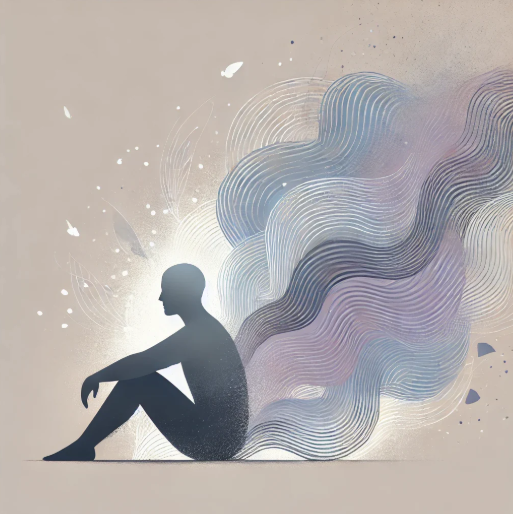
A common thread in the ASD experience is the feeling of being overwhelmed. Imagine trying to have a conversation while a television blares in the background, a bright light shines directly into your eyes and someone sprays a strong perfume nearby. For someone with ASD, this level of sensory assault can occur in environments that seem perfectly normal to others.
The world is designed for neurotypical individuals, with little consideration for the sensory sensitivities and processing differences of those with ASD. This mismatch can make the simplest activities—like attending school, going to work, or eating at a restaurant—feel like an uphill battle. It’s not that people with ASD are inherently fragile or defective; it’s that the world often doesn’t accommodate their needs.
The Joys and Strengths of Living with ASD
Despite its challenges, living with ASD can also bring incredible joys and unique strengths. Many individuals on the spectrum have deep passions that bring them immense satisfaction and expertise. These “special interests” can lead to extraordinary achievements, whether it’s mastering a musical instrument, excelling in a scientific field, or creating stunning works of art.
Furthermore, individuals with ASD often bring fresh perspectives to problems, seeing solutions that others might overlook. Their honesty, directness and loyalty can make them deeply valued friends and colleagues. When the world takes the time to accommodate their needs and appreciate their differences, individuals with ASD can thrive and make remarkable contributions to society.
Breaking the Myths
To truly understand what it’s like to live with ASD, we must break free from the myths and stereotypes that have long shaped public perception. Living with ASD isn’t just a list of deficits or challenges; it’s a different way of being in the world, one that deserves understanding, acceptance and respect.
For example, instead of assuming that someone with ASD doesn’t want to engage, ask how they prefer to communicate or connect. Instead of labeling someone as “high-functioning” because they can hold a job, consider what supports they might need to thrive both professionally and personally. Instead of dismissing sensory sensitivities as “overreactions,” acknowledge them as genuine experiences and advocate for environments that are more inclusive.
A Call for Acceptance
Living with ASD means navigating a world that often doesn’t make sense, processing input in ways that others don’t and sometimes feeling overwhelmed by things that others barely notice. It’s a different way of experiencing life—one that can be both intensely challenging and profoundly rewarding.
As society becomes more aware of neurodiversity, we have an opportunity to move from mere awareness to true acceptance. This means not only accommodating differences but celebrating them. By creating environments that are more inclusive and understanding, we can ensure that individuals with ASD can fully share their unique perspectives and talents with the world.
Living with ASD isn’t about being “broken” or “wrong.” It’s about living life in a way that’s uniquely, beautifully different. And with greater understanding, we can create a world where those differences are embraced and valued.