
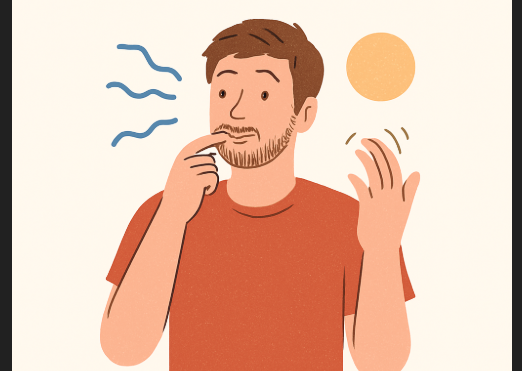
For those well-versed in stimming and sensory processing, you know it’s not just kid stuff, but it evolves into sophisticated coping mechanisms as we hit adulthood. In ASD and ADHD, these behaviors adapt to handle complex stressors like work deadlines or social navigation. But let’s face it, some stims get downright quirky, bordering on “wait, is that a superpower or just weird?” territory.
How Stimming Shifts in Adulthood
You already get that stimming regulates sensory input and emotions, but as we get older, it often becomes more internalized or context-specific. Young adults might ramp it up during transitional chaos like starting a career, while older folks integrate it into daily routines for sustained focus. Research backs this: a 2023 study in the Journal of Autism and Developmental Disorders notes that up to 70% of autistic adults report stimming as a key anxiety buffer, with similar trends in ADHD for energy channeling. These habits aren’t random; they’re tailored responses to an overstimulating world, though some might make you chuckle at their ingenuity.
Beyond the Basics: Quirky Adult Stims
We all know the standards like pacing or doodling, but unusual stims add flair. These can be vocal, tactile, or movement-based, often flying under the radar until someone asks, “Why are you doing that?” Spoiler: it’s probably keeping the sensory storm at bay.
Vocal Stims: Echoes with a Twist
Vocal stims in ASD adults might involve scripting entire podcast episodes under your breath during a commute because why not rehearse that TED Talk you’ll never give? In ADHD, it could be humming remixed ad jingles to drown out mental noise, turning your brain into a one-person radio station. Picture repeating “supercalifragilisticexpialidocious” during a boring Zoom call; it’s not madness, it’s melody as a focus anchor. These help process auditory overload, but admit it, it’s like your inner narrator decided to go off-script for laughs.
Tactile Stims: Sensory Shenanigans
Hands-on stims get creative here. ASD peeps might meticulously trace patterns on their palms or pinch earlobes for that perfect pressure release, like giving yourself a mini acupressure session mid-meeting. ADHD adults could obsessively rub fabric textures between fingers, turning a shirt cuff into an impromptu therapy tool. Ever caught yourself clicking pen caps in Morse code patterns? That’s tactile stimming at work, providing just enough input to keep executive function from derailing though your officemates might think you’re signaling aliens.
Movement Stims: The Subtle Symphony
Movement-based stims evolve too. In young adults with ASD, subtle body sways during intense conversations mimic a human metronome, syncing thoughts amid social sensory barrage. ADHD might manifest as rhythmic foot circling under the desk, like an invisible hula hoop for excess energy. And let’s not forget eye-rolling (literally) or head tilting to recalibrate visual input, it’s like your neck decided to DJ the vestibular playlist. These keep proprioception balanced, but with a humorous side: who knew adulthood meant turning into a low-key interpretive dancer?
Sensory-Seeking Stims: The Wild Cards
For deeper sensory craves, ASD adults might seek out specific smells by sniffing books or fabrics, turning reading time into an aromatic adventure. In ADHD, impulsive jumping jacks during breaks release dopamine like a personal trampoline party. Or consider making repetitive facial grimaces in the mirror, it’s not vanity, it’s calibrating those overactive nerves. These habits dial in on hyposensitivity, proving that stimming is your brain’s clever workaround, even if it looks like you’re auditioning for a comedy sketch.
Embracing the Quirk: Why It Matters
As experts in this space, you know suppressing stims leads to exhaustion, so channeling them productively—like with discreet fidget rings—is key. Humor helps too: own that you’re basically a walking sensory lab experiment. If a stim edges into harm, like aggressive scratching, consult a pro. Otherwise, these unusual habits highlight neurodivergent resilience, turning potential chaos into controlled creativity.
Wrap Up
Unusual stimming in young adults and adults with ASD and ADHD isn’t just survival, it’s savvy adaptation that shows up in everything from vocal loops to tactile treasures and these behaviors keep the sensory world spinning smoothly. If one of these hits home, share in the comments. After all, in neurodivergence, your “strange” stim might be someone else’s aha moment. Stay stimulated, stay sharp.
