
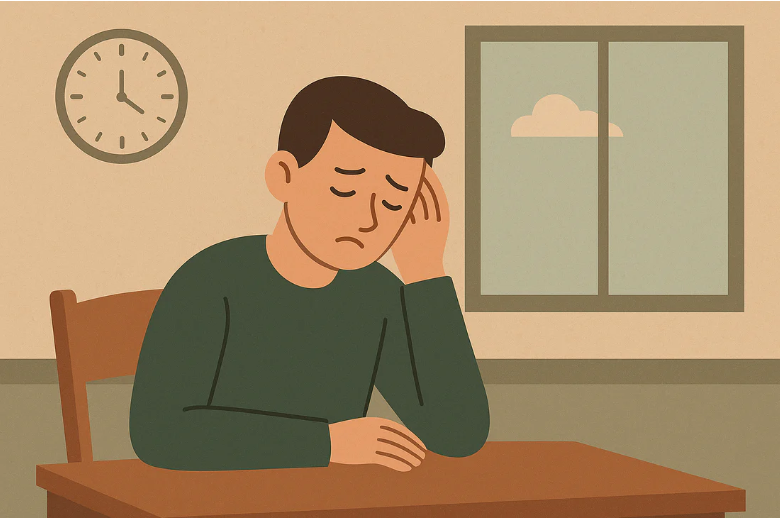
The Unseen Struggles of Independent Autistic Adults
Independence is often celebrated as a major milestone in adulthood—but for many high-functioning autistic individuals, living alone is a double-edged sword. It can symbolize hard-won autonomy and self-determination, but it can also come with unique and often invisible challenges. The world may see a capable, self-sufficient adult, but behind closed doors, day-to-day life can feel like navigating a maze without a map.
The Myth of “High-Functioning”
The term “high-functioning” is frequently used to describe autistic individuals who can live independently or mask their struggles well in public. But it’s a term that can be misleading. It often glosses over the effort it takes to maintain routines, manage executive dysfunction and navigate sensory overload in a world that rarely accommodates different neurological needs. Just because someone can live alone doesn’t mean it’s easy—or that they aren’t struggling in ways that go unnoticed.
Silent Struggles: What the World Doesn’t See
Living alone means there’s no one around to help manage the small details that can spiral quickly. Dishes pile up, meals are skipped or forgotten, appointments are missed—not out of laziness, but because of executive functioning difficulties. The mental load of remembering, initiating and following through on everyday tasks can be exhausting.
Many autistic adults also experience profound sensory sensitivities. From the hum of the refrigerator to the flicker of a ceiling light, the home environment itself can become overwhelming. When you’re alone, there’s no one to help create a calming space or recognize when you’re heading toward sensory burnout.
Social Isolation in a Quiet Apartment
Another major hurdle is loneliness. While many autistic people need and enjoy solitude, that doesn’t mean they don’t crave connection. Making friends as an adult is difficult for anyone—but for those on the spectrum, decoding social cues, initiating plans and maintaining conversations can be draining or discouraging. Living alone may offer peace, but it can also magnify feelings of social disconnection.
How to Support Yourself (or Someone You Love)
Support doesn’t stop at adulthood. Whether you’re autistic or love someone who is, it’s important to recognize that independence doesn’t mean invulnerability. Here are some gentle supports that can make a big difference:
- Visual schedules or planning apps for daily structure
- Sensory-friendly tools like weighted blankets or noise-canceling headphones
- Community check-ins—a friend or family member to text or call regularly
- Low-pressure social spaces, online or in-person, that are neurodivergent-affirming
- Therapy or coaching from someone experienced in autism spectrum support
At Ochs Leaf, we believe that thriving looks different for everyone. Living alone can be a powerful choice, but it shouldn’t mean going without the support that makes life more manageable and meaningful.
If you’re navigating this journey yourself, you’re not alone. There is strength in your independence and courage in your continued effort to create a life that works for you. Whether through tools, community or simply honest conversations, your experience is valid—and worthy of support.
